
How to Know if I Have Snakes in My Garden in South Africa?

Although some are harmless, snakes can make even the bravest person quiver at the knees. Many people have a healthy fear of snakes, and knowing whether you have one (or more) in your garden can be important, especially if it’s venomous. Here are some tips on how to spot signs of having a snake in your garden, along with some of the most common species of snakes in South Africa.
What signs are there that snakes could be in your garden?
Snakes don’t give us many signs that they are around, since they’re adept at hiding under rock piles and in parts of our garden. You can look out for shed skins and winding trails in sandy surfaces. Other than this, understanding the species of snakes in your area, their sources of food, and where they like to shelter can help you spot areas of risk.
It’s important to call in a pest management company with an experienced pest control specialist to remove and work with snakes. They are wild animals, which means they bite and can cause harm. Do not try to pick them up or kill them yourself.
Top Common Snake Species in South Africa and How to Get Rid of Them
Are you worried about snakes hiding in your crawl spaces, in wood piles, around bird feeders in your garden, or in your commercial landscape’s dense brush? We are here to assist and bring you peace of mind. Let’s meet a few of the most common snake species in South Africa and find out more about how to get them away from your garden safely and humanely.
The Puff Adder
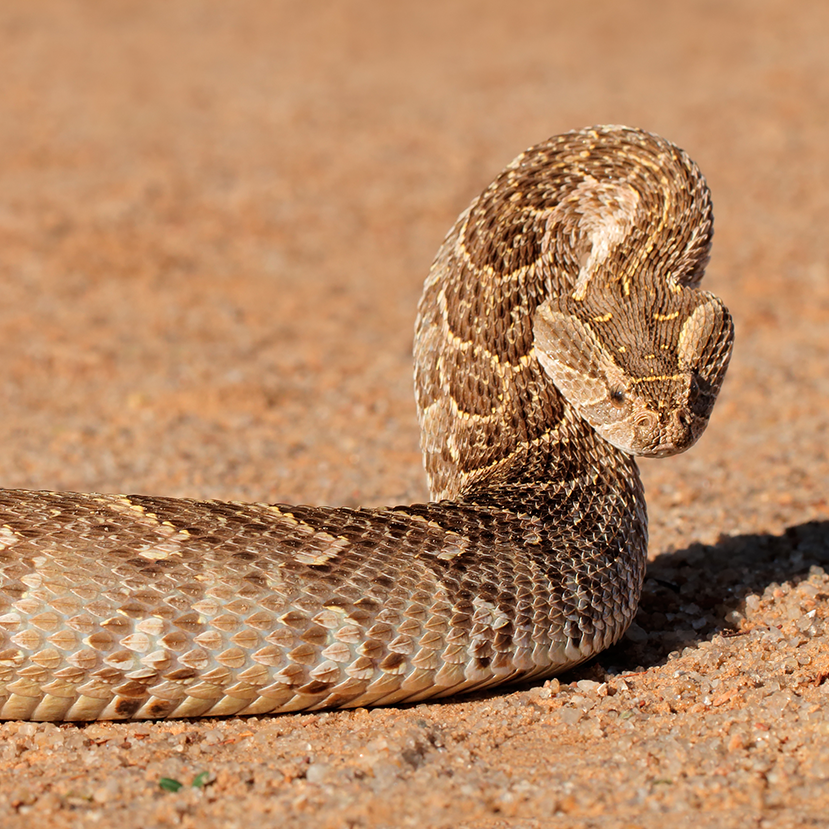
A well-known snake variety, the puff adder can be identified by its thick body and sluggish appearance, but don’t let that fool you. The puff adder has one of the quickest strikes in the world—around 7 metres per second! It relies on its ability to camouflage, which is characterised by a body that’s light brown with yellow and white chevron markings.
It tends to lie in wait, ambushing its prey. It doesn’t hiss or move when prey comes near, in order to not give away its position. Puff adders have a cytotoxic venom that is potent. This means that if you get bitten, you need to get to a hospital as soon as possible to get treated with polyvalent antivenom.
Luckily, adders aren’t likely to be found in gardens, although that doesn’t mean it’s impossible. If you spot one in your garden, you can call in Mostert’s pest control experts to assist with removal and assessing your garden.
The Cobra

Unfortunately, this snake species is often found around homes, searching for rats and other rodents. It’s a fairly common snake in South Africa and is found in most parts of Africa. It tends to live in a variety of habitats—around cultivated farmlands, open fields and dry countryside.
It’s most easily recognised for the part of its head called the hood. This is a flap of skin and muscle behind the head which flares, most likely to make it appear bigger and scarier to predators. Its particular type of venom is neurotoxic, which makes it an extremely dangerous snake.
Look out for it in leaf piles, around wood and rock/rubble piles, and long grass areas where its food sources, rodents, are abundant. If you are worried about cobras on your yard, our teams are ready to assist.
The Black Mamba
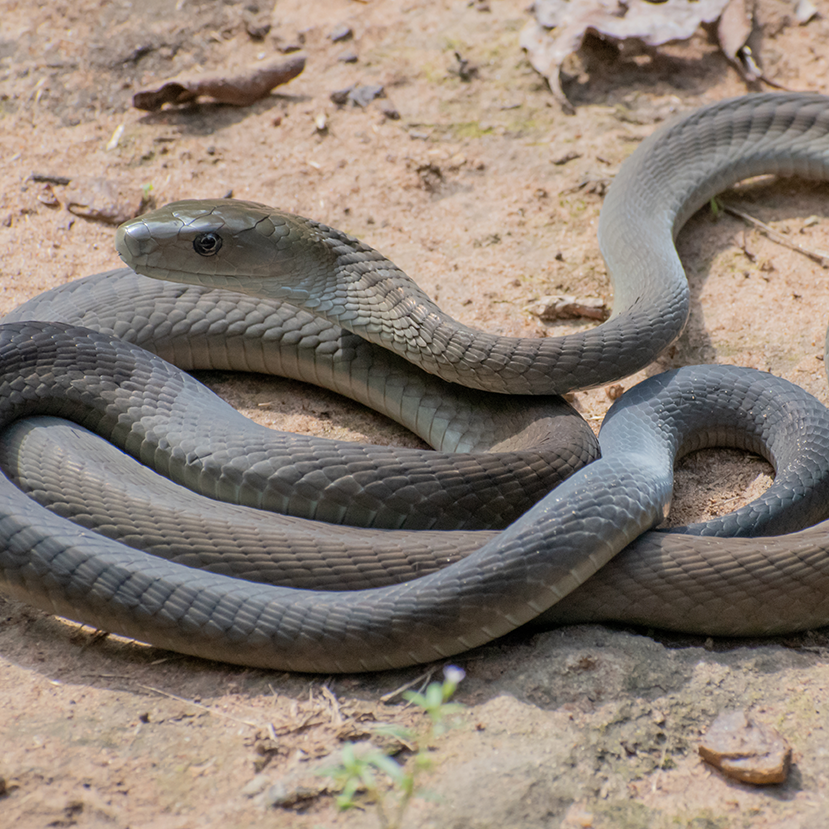
Related to cobras, mambas also have a hood, although theirs is smaller. It’s not an aggressive snake, but that’s little comfort, knowing it is considered to be the deadliest snake in the world. It grows up to a massive 4.2 metres in length and has a head shaped like a coffin. It can also lift as much as a third of its body off the floor.
It’s a tree-dweller, though it does venture onto the ground as well, so this is where you’d look for one in your garden. Despite its name, it’s not actually black in colour, but more often either olive green, dark olive, greyish brown or grey. The inside of its mouth is black, which is where its dreaded name comes from. If you have a black mamba on your property, natural repellents are not going to be an ideal solution, since they are so deadly. In the vast majority of cases, it is best to call in animal control specialists like Mostert to relocate these beautiful snakes.
The Green Mamba
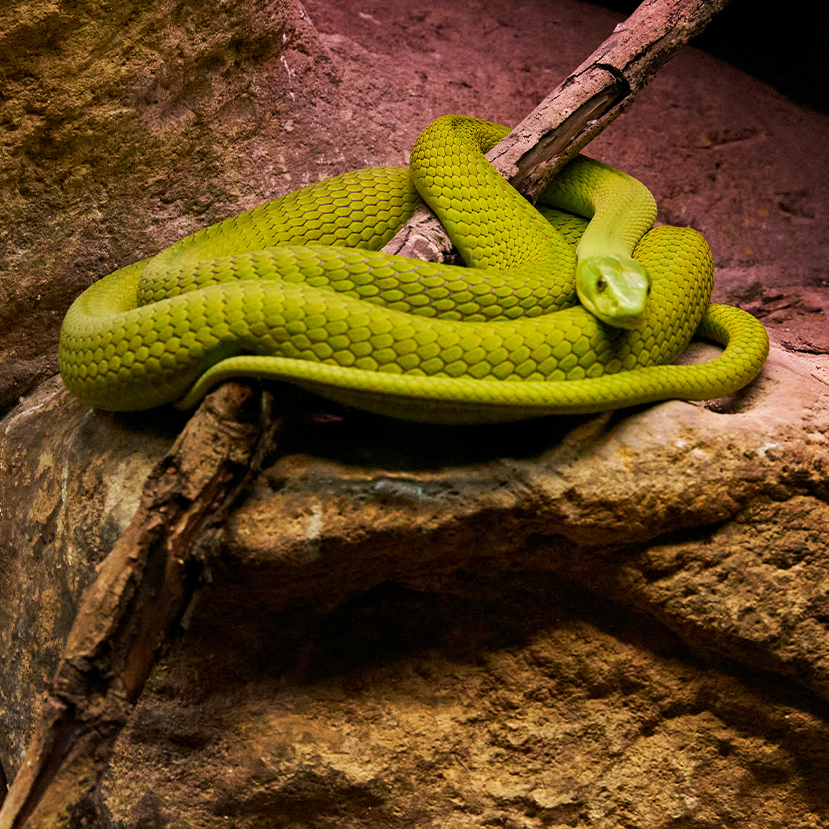
Smaller than black mambas, green mambas tend to reach around 1.8 metres in length, but they’ve been known to grow up to 3.7 metres. Their bodies are thin with green scales. They are highly venomous and hunt during the day for birds, lizards, rodents, and other small animals.
These beneficial reptiles are not particularly aggressive and prefer to flee than fight when in danger, only attacking if there is no escape route. The Green Mamba’s venom is neurotoxic, which means a hospital visit for antivenom as soon as possible after a bite is in order.
It’s usually found in coastal areas of KwaZulu Natal. It prefers moist conditions, so look out for one near bird baths and garden ponds. Our natural pest control experts in your area can come assist if you find these poisonous snakes on your property or near bodies of water.
The Boomslang
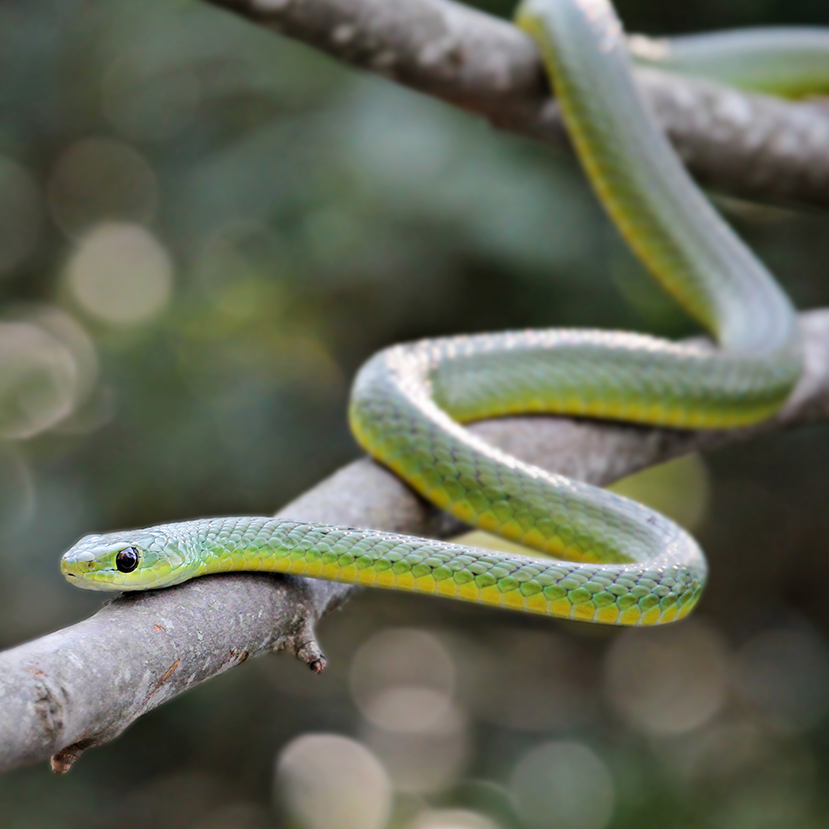
Named after the Afrikaans words for “tree” and “snake, the Boomslang has built an international reputation as a beautiful but venomous species. With extra-large eyes, snake lovers think it is gorgeous, while others may find it intimidating. It tends to live in trees, almost gliding as it moves, and is found in most areas around South Africa except for areas with desert conditions.
The Boomslang is another highly venomous snake, with a hemotoxic venom, which means it damages the circulatory system and muscle tissue and causes swelling, haemorrhage, and necrosis. It also has an anti-blood clotting mechanism, which means the wound will bleed freely if left untreated.
Look out for it mostly in trees in your garden. Snake repellent isn’t an effective way to keep this native snake species away from your garden. If a Boomslang frequents your garden, don’t try to pick it up or kill it. Instead, call in experts like Mostert Pest Control to assist with the situation.
The Egg-Eating Snake
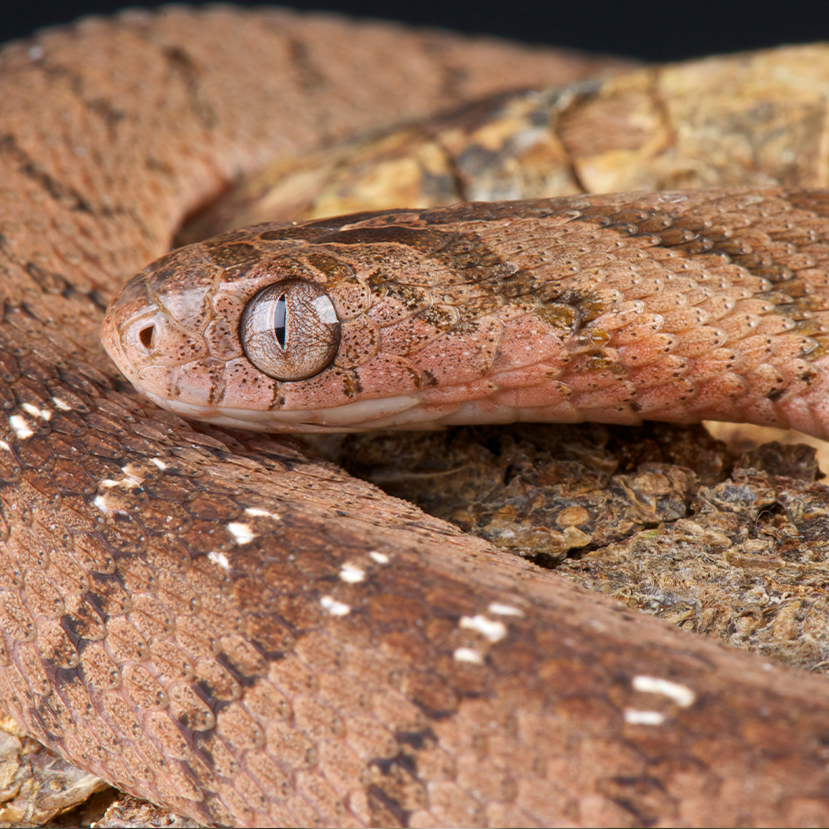
Unlike most other types of snakes, the egg-eating snake has little-to-no teeth. It is a natural predator to birds, as it exclusively eats their eggs. So, if you suspect you have one in your garden, look around places where birds are nesting. Its colourings and markings can change from snake to snake, with some having a light brown colour while others are grey. It has a dark V-shaped mark on its neck.
It grows to about 50cm in length and is nocturnal, which may make it harder to identify in your back garden. The snake skin scales rub together and make a sort of hissing sound, but don’t let that scare you too much—this species is one of the non-venomous snakes that are harmless to humans.
Need help with snake removal in South Africa?
Remember, many snakes can be extremely dangerous, so we recommend exercising extra care when getting rid of snakes. The best way approach to snake removal is to call in the experts, like us at Mostert Pest Control, to safely remove one from your garden. We have expert teams around the country who can handle the majority of snakes commonly found in South Africa.
