
Radon Gas in South Africa Understanding the Risks and Importance of Testing

Radon gas is a silent threat that many South Africans are unaware of. It’s invisible, odourless, and tasteless, making it impossible to detect without proper testing. Radon is a naturally occurring radioactive gas that comes from the breakdown of uranium in the soil. This gas can seep into buildings through cracks and gaps in the foundation, accumulating to dangerous levels over time.
While radon exposure is a global concern, recent studies suggest that certain areas in South Africa could have elevated radon levels, increasing the risk to homeowners. In this guide, we’ll explore the dangers of radon gas, why testing is crucial, and how you can protect your family from this hidden health hazard.
Understanding Radon Gas and Its Risks
Radon gas is formed when uranium in soil and rock breaks down. It can enter homes through small cracks in the foundation, gaps around pipes, or poorly ventilated crawl spaces. Once inside, the gas can become trapped and build up to unsafe levels.
The most serious health risk associated with radon exposure is lung cancer. Long-term exposure to high levels of radon significantly increases the risk of developing this disease, even for non-smokers. According to the World Health Organisation, radon is the second leading cause of lung cancer globally after smoking.
In South Africa, while there is no dedicated government body exclusively responsible for radon regulation, environmental health experts stress the importance of testing homes, particularly in areas known to have higher uranium levels in the soil.
Why Radon Testing is Essential in South Africa
Radon is a unique risk because it’s invisible and odourless, which means there’s no way to detect it without proper testing. Testing for radon in your home is the only way to know whether you are at risk. Here are key reasons why radon testing is important for South African homeowners:
- Peace of Mind
Radon testing provides peace of mind by identifying potential issues before they pose a risk to your health. Knowing your home’s radon levels ensures you can take action if needed.
- Early Detection
Early detection is crucial. If high radon levels are detected, you can implement mitigation strategies before the gas causes any long-term health problems for your family.
- Real Estate Transactions
In some regions, radon testing is becoming part of real estate regulations. If you’re planning to buy or sell a home, testing for radon may be required to ensure the property meets safety standards. Knowing your home’s radon status can give you an edge during property transactions.
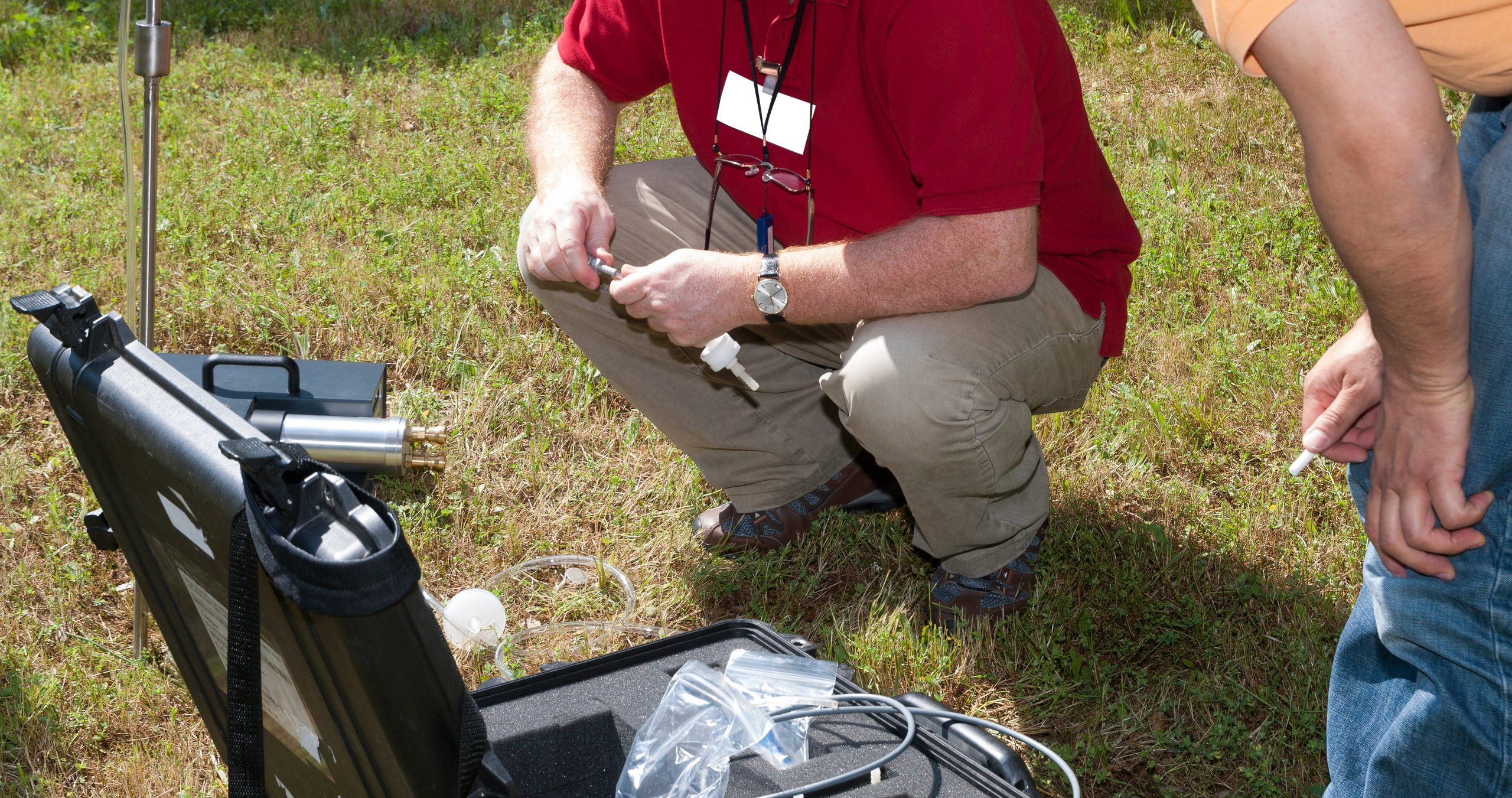
Types of Radon Testing Available
There are two main types of radon testing available for South African homes. Choosing the right test depends on your needs and the level of detail you’re looking for.
- Short-Term Testing
Short-term testing provides a quick snapshot of your home’s radon levels. These tests usually last between 2 to 7 days and can give you an immediate idea of whether there’s a potential radon issue. It’s useful for homeowners who want fast results or are preparing to sell or buy a home.
- Long-Term Testing
Long-term testing lasts several months and provides a more comprehensive understanding of radon levels in your home, particularly across different seasons. Radon levels can fluctuate throughout the year, so a long-term test offers a more accurate picture of the risks. This type of testing is recommended if you want the most reliable results.
Benefits of Each Type of Testing
- Short-Term Testing: Ideal for quick results and when immediate decisions are needed, such as during real estate transactions.
- Long-Term Testing: Offers a more accurate reading of seasonal variations in radon levels, making it more reliable for homeowners who want a full understanding of their home’s radon risks.
Taking Action After Radon Testing
If radon testing reveals elevated levels, there’s no need to panic. There are several effective mitigation strategies available that can significantly reduce radon gas concentrations in your home. These solutions are designed to lower radon levels and ensure your home remains safe for your family.
- Sub-Slab Depressurisation Systems
One of the most common mitigation methods is sub-slab depressurisation. This system uses fans to draw radon gas from beneath your home’s foundation and vent it outdoors, preventing it from entering the living areas.
- Sealing Cracks and Gaps
Sealing cracks in the foundation and gaps around pipes can also help reduce the amount of radon entering your home. While sealing alone may not eliminate radon completely, it is a key part of an overall mitigation strategy.
- Building Envelope Improvements
Improving your home’s ventilation system and addressing moisture issues can further minimise radon accumulation. Proper airflow reduces the chance of radon building up to dangerous levels indoors.
For homeowners looking for professional radon mitigation, Mostert Pest Control offers a range of services that complement radon reduction, including foundation crack repair and ventilation system installation.
Conclusion
Radon gas is a serious but manageable risk for South African homeowners. While it’s invisible and odourless, its health risks, particularly for lung cancer, are well-documented. By understanding the risks, testing your home, and taking appropriate mitigation steps, you can create a safer living environment for your family.
Take control of your home’s safety today. Schedule a comprehensive radon gas testing consultation with Mostert Pest Control and protect your family from the hidden dangers of radon gas.
