Testimonials

Nationwide service. Professional technicians. Guaranteed results

Mostert Pest Control
  • Franchising
  • About Us
    • Company Profile
    • Our Community Service
    • Testimonials
  • Pests we Exterminate
  • Services
    • Ant Extermination
    • Bird Control & Prevention
    • Cockroach Extermination
    • Fumigation
    • HACCP / IPM Programmes
      • Eco-Friendly Rodent Treatment
    • Snake prevention & removal
    • Soil Poisoning
    • Termite Pest Control and Extermination in South Africa
    • Field Pest Biologists in South Africa
    • Virus & Bacteria Disinfection Service
  • News
    • Mostert Pest Control Services | Blog
    • Principles And Myths
  • Contact Us
    • Eastern Cape
    • Free State
    • Gauteng
    • KwaZulu Natal
    • Limpopo
    • Mpumalanga
    • Northern Cape
    • North West
    • Western Cape
  • General Info
    • Long Term Treatment Options
    • Guarantees on services
    • Pest Activity in your area
  • GET FREE QUOTE
  • Franchising
  • About Us
    • Company Profile
    • Our Community Service
    • Testimonials
  • Pests we Exterminate
  • Services
    • Ant Extermination
    • Bird Control & Prevention
    • Cockroach Extermination
    • Fumigation
    • HACCP / IPM Programmes
      • Eco-Friendly Rodent Treatment
    • Snake prevention & removal
    • Soil Poisoning
    • Termite Pest Control and Extermination in South Africa
    • Field Pest Biologists in South Africa
    • Virus & Bacteria Disinfection Service
  • News
    • Mostert Pest Control Services | Blog
    • Principles And Myths
  • Contact Us
    • Eastern Cape
    • Free State
    • Gauteng
    • KwaZulu Natal
    • Limpopo
    • Mpumalanga
    • Northern Cape
    • North West
    • Western Cape
  • General Info
    • Long Term Treatment Options
    • Guarantees on services
    • Pest Activity in your area
  • GET FREE QUOTE

Blog

Mostert Pest Control > Pest Control News > Mostert Pest Control Services | Blog > Ants 101
adminMostert Pest Control Services | BlogOctober 8, 20240 Likes

Ants 101

Ants 101

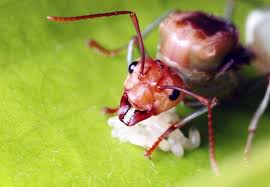
Ants are among the most common household pests, and there are many different species, each with distinct behaviors and characteristics.

  1. Ant Species
  • Carpenter Ants: These giant black ants are known for causing structural damage by burrowing into wood to build their nests. Unlike termites, they don’t eat wood but carve it out to make space for their colony.
  • Odorous House Ants: Small brown ants, often called sugar ants, emit a foul odor when crushed. They are attracted to sweet foods and can invade kitchens.
  • Pavement Ants: These tiny ants often nest in cracks in pavement or under sidewalks. They can enter homes in search of food.
  • Fire Ants: Known for their painful sting, these aggressive ants build large mounds in sunny areas like lawns or parks. They are more common in southern regions.
  • Pharaoh Ants: Tiny yellowish ants that are often found indoors. They are notorious for nesting in hospitals, kitchens, and other warm, moist environments.
  1. Ant Colony Structure
  • Queen: The most giant ant in the colony, responsible for laying eggs. Some species have more than one queen per colony.
  • Workers: These sterile females maintain the nest, care for the queen’s offspring, and forage for food.
  • Drones (Males): Their only role is to mate with new queens during the mating flight, after which they die.
  • Soldiers: In some species, these more giant worker ants defend the colony from threats.
  1. Nesting Habits

Depending on the species, ants build nests in various locations. Some prefer to nest outdoors in soil, under rocks, or in trees, while others establish colonies inside buildings, behind walls, or under flooring.

  1. Feeding Preferences

Most ants are omnivores and feed on a variety of foods, though specific species may have preferences:

  • Sweet foods: Like odorous house ants or sugar ants.
  • Protein-based foods: Like meat or grease (e.g., Pharaoh ants).
  • Fungi: Leafcutter ants harvest leaves to grow fungi, which they use as food.
  1. Ant Control Strategies
  • Eliminating Food Sources: Keeping surfaces clean and storing food in sealed containers can reduce attraction.
  • Exclusion: Sealing entry points and fixing cracks in walls or foundations can help prevent ants from entering buildings.

For a clean & healthy environment!

www.mostertpestcontrol.co.za


admin

Inspection hours

Recent Blogs

  • February 2026
  • January 2026
  • December 2025
  • November 2025
  • October 2025
  • September 2025
  • July 2025
  • June 2025
  • May 2025
  • April 2025
  • March 2025
  • February 2025
  • January 2025
  • December 2024
  • November 2024
  • October 2024
  • September 2024
  • August 2024
  • July 2024
  • June 2024
  • May 2024
  • April 2024
  • February 2024
  • January 2024
  • December 2023
  • November 2023
  • October 2023
  • September 2023
  • August 2023
  • July 2023
  • June 2023
  • May 2023
  • February 2023
  • January 2023
  • December 2022
  • November 2022
  • July 2022
  • June 2022
  • May 2022
  • April 2022
  • March 2022
  • January 2022
  • December 2021
  • November 2021
  • October 2021
  • August 2021
  • July 2021
  • June 2021
  • April 2021
  • March 2021
  • January 2021
  • November 2020
  • October 2020
  • September 2020
  • August 2020
  • July 2020
  • June 2020
  • May 2020
  • March 2020
  • February 2020
  • January 2020
  • December 2019
  • November 2019
  • October 2019
  • September 2019
  • August 2019
  • July 2019
  • June 2019
  • May 2019
  • April 2019
  • March 2019
  • February 2019
  • January 2019
  • November 2018
  • October 2018
  • August 2018
  • November 202

Location:

Please click here to complete the enquiry form above

Search

We are members of SAPCA and PCFSA

agri-transparent-mostert-pestcontrol
Web Design and Hosting by Pivot Works (Pty) Ltd Copyright © 2018
Mostert Pest Control

WhatsApp us