
The Role of Technology in Modern South African Pest Control Professions
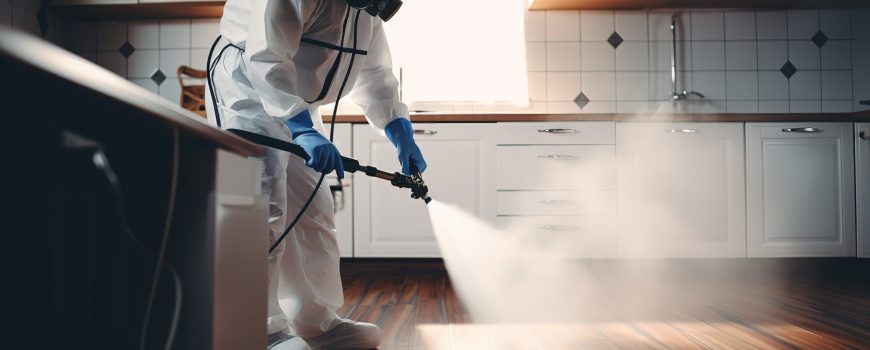
Pest control has always been a vital service for homes, businesses, and farms across South Africa. With the country’s diverse climate and ecosystems, pests range from common household invaders like ants and cockroaches to agricultural threats like locusts and rodents. Over the years, pest control has evolved significantly, moving away from traditional methods to embrace modern technology. Today, technology plays a key role in enhancing the effectiveness, safety, and sustainability of pest control in South Africa, helping professionals tackle pest problems more efficiently.
In this article, we’ll explore the many ways in which technology is reshaping the pest control industry, from advanced detection tools to eco-friendly solutions, and why these developments are important for both professionals and the public.
Advanced Pest Detection Tools
One of the biggest challenges in pest control is identifying infestations early. Traditional methods relied heavily on visual inspections, which often meant waiting until the infestation became severe before action could be taken. However, with advancements in technology, modern pest control professionals in South Africa now use tools that allow for earlier, more accurate detection.
Thermal Imaging
Thermal imaging cameras have become a popular tool in pest detection. These devices detect heat signatures from pests, which is especially useful for hidden infestations such as termites or rodents living behind walls. By identifying unusual heat patterns, pest controllers can pinpoint exactly where pests are nesting without having to tear down walls or cause other damage to property.
Remote Sensing and Monitoring Devices
In large-scale pest control operations, such as in agriculture, remote sensing technology is transforming how pest populations are monitored. By using drones or satellites equipped with sensors, professionals can detect pest activity over vast areas. This is particularly useful in monitoring crop-damaging pests like locusts. These devices can cover more ground than manual inspections and provide real-time data, enabling pest control teams to respond quickly and prevent infestations from spreading.
Digital Traps and Sensors
Another innovative tool is the use of digital traps and sensors. These are smart devices placed in areas prone to pest activity, such as kitchens, storerooms, or warehouses. These traps are equipped with sensors that can detect movement or capture pests, and then send data to a central system. This allows pest control companies to monitor infestations remotely and act swiftly before the problem gets out of hand. The data collected also helps in understanding pest behaviour, improving the effectiveness of treatments.
Eco-Friendly and Sustainable Pest Control Solutions
With growing awareness about the impact of chemicals on health and the environment, the pest control industry in South Africa is increasingly adopting eco-friendly and sustainable methods. Modern technology is playing a critical role in helping professionals move away from traditional pesticide-heavy approaches towards greener alternatives.
Biological Pest Control
Biological pest control involves using natural predators or parasites to control pest populations. For example, in agriculture, certain species of insects or birds are introduced to fields to target pests like aphids or caterpillars. This method reduces the need for chemical pesticides and is safer for the environment. In South Africa, technology is being used to breed and release these natural predators in a controlled manner, ensuring that pest control is both effective and sustainable.
Electromagnetic and Ultrasonic Pest Control Devices
Electromagnetic and ultrasonic pest control devices are another example of eco-friendly technology. These devices emit electromagnetic waves or high-frequency sounds that are unpleasant to pests but undetectable to humans and pets. They are commonly used in homes and businesses to repel rodents, cockroaches, and other common pests without the need for harmful chemicals. While still relatively new, these devices are gaining popularity as an environmentally responsible alternative to traditional pest control.
Reduced Chemical Use with Precision Application
For cases where chemicals are still necessary, modern technology allows for more precise application, reducing the amount of pesticide used and minimising environmental damage. Pest control professionals use GPS-guided sprayers and automated systems to target only the affected areas, ensuring that chemicals are applied sparingly and only where needed. This helps protect beneficial insects, wildlife, and water sources from contamination.
Data-Driven Pest Management
In the digital age, data is a powerful tool, and pest control is no exception. South African pest control companies are increasingly adopting data-driven approaches to manage pest infestations more effectively. By collecting and analysing data, pest control professionals can make informed decisions, predict future outbreaks, and improve their services.
Cloud-Based Pest Management Systems
Cloud-based systems allow pest control companies to store and manage data from multiple clients in one place. This information includes details about past infestations, treatment plans, and monitoring results. Having this data readily accessible enables professionals to track trends, identify patterns, and plan more efficient pest control strategies. For example, if certain pests are more active during specific seasons, pest controllers can prepare and schedule treatments accordingly.
Predictive Analytics
Predictive analytics takes data-driven pest management to the next level. By analysing historical data on weather patterns, pest behaviour, and environmental conditions, predictive software can forecast potential pest outbreaks. This allows pest control companies to take preventive action before infestations occur, saving time, money, and resources. Predictive analytics is especially useful in agriculture, where pests can cause significant damage to crops and livelihoods.
Smartphone Apps for Customer Interaction
Many pest control companies in South Africa are now using smartphone apps to improve customer service and communication. These apps allow customers to report pest problems, schedule inspections, and receive updates on treatment progress. On the other side, pest control professionals can use these apps to keep track of appointments, record treatment details, and ensure timely follow-ups. This use of technology enhances efficiency and provides a more streamlined service for both customers and pest controllers.
Safety and Efficiency Improvements
Technology has also made pest control in South Africa much safer and more efficient, both for professionals and the public. The introduction of automated systems, smart equipment, and advanced protective gear ensures that pest control treatments are carried out with minimal risk to health and safety.
Automated Sprayers and Drones
Automated sprayers and drones equipped with pest control solutions are increasingly being used in large-scale operations, particularly in agriculture. These machines can cover vast areas quickly and with greater precision than manual methods, reducing the amount of time workers spend in potentially hazardous environments. Drones, in particular, are useful for reaching areas that are difficult or dangerous for humans to access, such as tall buildings or remote fields.
Protective Gear and Equipment
Modern pest control professionals have access to advanced protective gear that ensures their safety while handling chemicals or dealing with dangerous pests. For example, pest controllers now use respirators, protective suits, and gloves made from high-tech materials that prevent exposure to harmful substances. Additionally, technology like wearable sensors can monitor workers’ exposure to toxins, ensuring that safety protocols are followed at all times.
Automated Record-Keeping for Compliance
South Africa has strict regulations regarding the use of pesticides and the treatment of certain pests. Technology has made it easier for pest control professionals to comply with these regulations by automating record-keeping processes. Digital systems track the types of chemicals used, the amounts applied, and the locations treated, ensuring that all legal requirements are met. This not only improves compliance but also enhances transparency and accountability in the industry.
Conclusion
Technology is playing an increasingly important role in modern pest control, particularly in South Africa. From advanced detection tools to eco-friendly solutions and data-driven management systems, these innovations are helping professionals tackle pest problems more effectively, safely, and sustainably. For South Africans, this means better protection for homes, businesses, and the environment, all while reducing the risks associated with traditional pest control methods.
As the industry continues to evolve, we can expect technology to drive even greater improvements in pest control, ensuring that professionals can stay one step ahead of pests while maintaining the highest standards of safety and efficiency. For anyone dealing with pests, relying on these modern, tech-enabled solutions is not only smarter but also more environmentally responsible.
